

The Ghost Application: Why Projects Fail Before the First Permit Is Filed
When developers wait for formal filings to talk to host communities, they often walk into a narrative trap already shaped by land rumors, zoning anxiety, and political pressure.

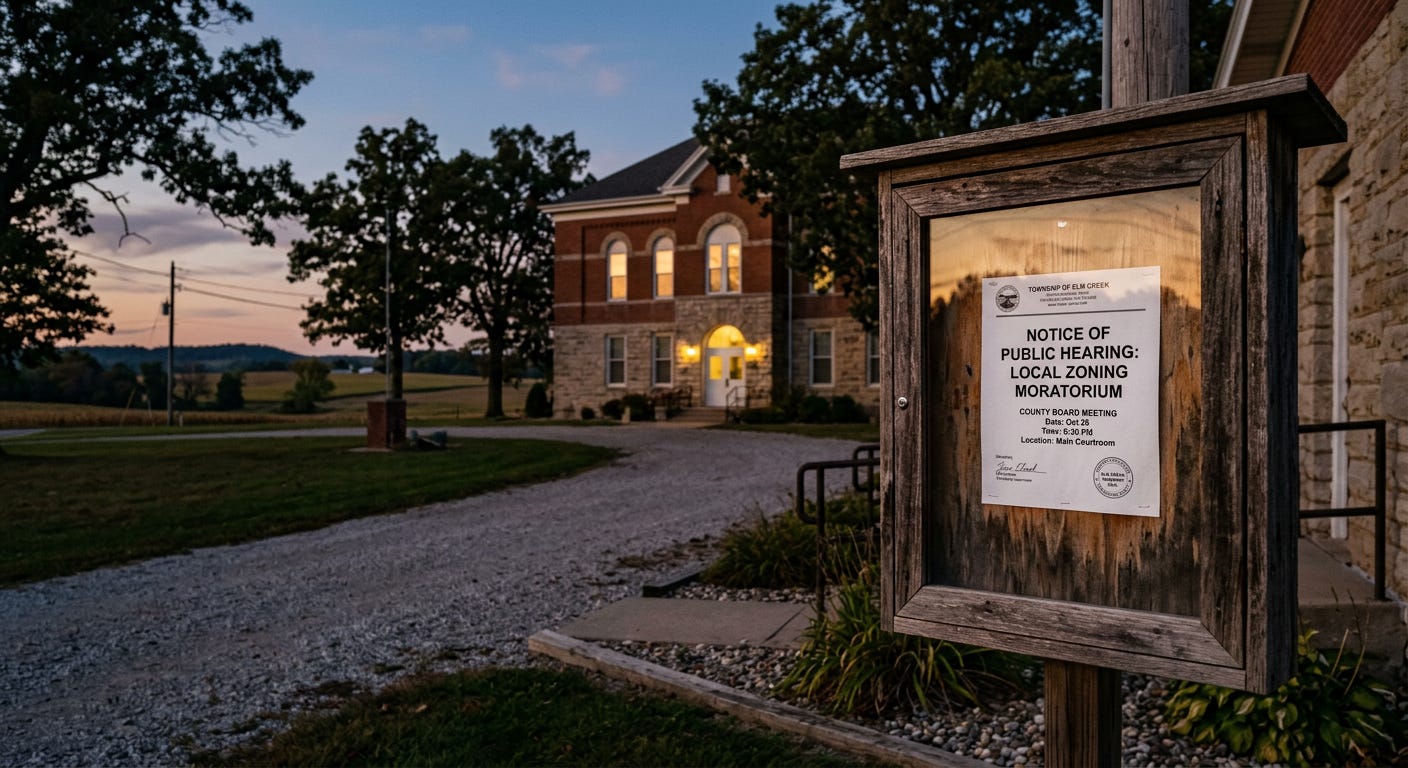
For decades, the standard playbook for commercial infrastructure development was simple: secure land options quietly, complete interconnection or resource studies, draft the formal site plan, and then file the permit application. Public engagement was treated as something that began after the legal paperwork reached the clerk’s desk.
In 2026, that sequence is no longer cautious. In many communities, it is becoming a primary driver of project failure.
Across the country, host communities are no longer waiting for developers to file site plans. They are organizing around what might be called “ghost applications”: projects that exist publicly only as land rumors, informal utility inquiries, landowner conversations, or broad economic-development speculation. By the time a developer submits a formal permit application, the governing public narrative may already be set, local officials may already be under pressure, and the project may be functionally dead on arrival.
